
Build a Senior Diet Plan That Supports Brain Health and Vitality
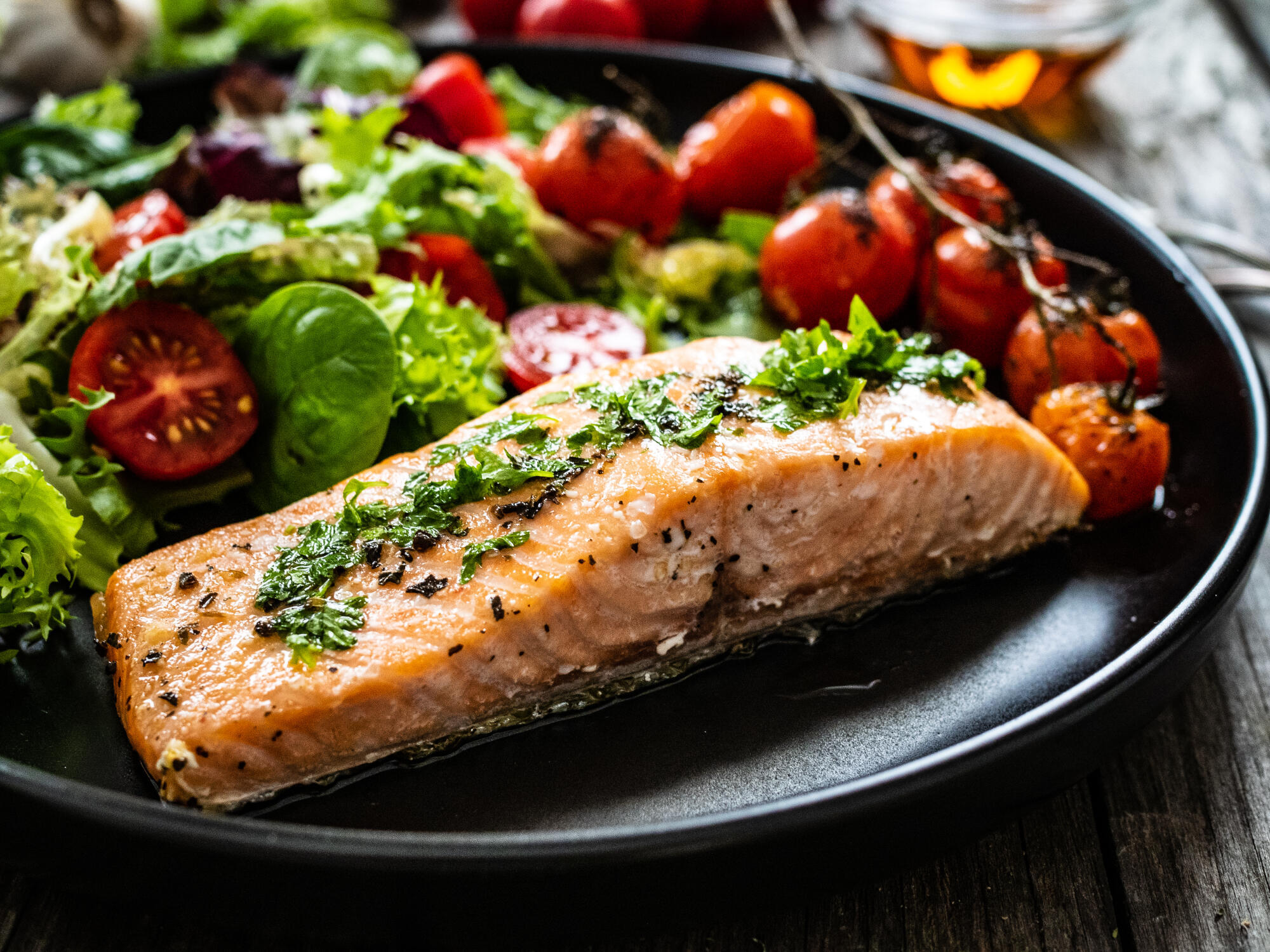
The best brain food for seniors is fatty fish (such as salmon), since it's rich in omega-3 fatty acids. The best senior diet plan should follow a Mediterranean-style eating pattern, with a prioritization on omega-3 fatty acids. Other important things to include are antioxidant-rich fruits and vegetables, whole grains, high-quality protein, and water.
According to The Independent, those aged 85 and older die from malnutrition at a rate about 60 times higher than the rest of the American population. For many, the cause of death is difficulty affording or accessing nutritious food.
But even if you're fortunate enough to avoid food insecurity, you may still be at risk of malnutrition, which can have an effect on your overall quality of life. So older adults in San Francisco, CA, need to know what the best senior diet plan is. That way, they can experience the best brain health and overall well-being possible.
What Is the Best Brain Food for Seniors?
The best item for brain health meals is fatty fish, such as salmon. This is because it's rich in omega-3 fatty acids, which are essential for:
- Maintaining brain structure
- Supporting memory
- Reducing inflammation in the brain
This means that older adults can benefit from a lower risk of cognitive decline, as well as Alzheimer's disease and depression.
Salmon is also a great source of high-quality protein and vitamin D. These are both vital for overall health and muscle maintenance.
Try to eat fish in your meals two to three times a week to experience the benefits for long-term brain health.
What Is the Best Diet Plan for Seniors?
Meal planning for seniors can be difficult, especially since nutrition for older adults is different from that of younger people.
With that said, it's wise to follow a Mediterranean-style eating pattern. Healthy aging foods here include:
- Fruits
- Vegetables
- Whole grains
- Legumes
- Nuts
- Olive oil
- Lean proteins (e.g., fish and poultry)
If you follow this eating style, then you might experience:
- Better memory
- Slower cognitive aging
- Lower risk of Alzheimer's disease
Prioritize Omega-3 Fatty Acids
Earlier, we pointed out that omega-3 fatty acids are very good for brain health. In addition to salmon, other fish choices include:
- Sardines
- Trout
- Mackerel
Omega-3 fatty acids are linked to:
- Improved memory
- Better mood
- Reduced risk of dementia
If you don't eat fish, then you can also get omega-3 fatty acids from walnuts, flaxseeds, and chia seeds.
Eat Antioxidant-Rich Fruits and Vegetables Daily
It's easy to eat antioxidant-rich fruits and vegetables; just aim for colorful choices! These antioxidants will protect your brain from oxidative stress, which contributes to aging and memory loss.
Choices here include berries (e.g., blueberries, strawberries and leafy greens (e.g., spinach, kale, Swiss chard).
Choose Whole Grains for Steady Energy
One of the biggest things that the brain relies on is glucose. It needs a steady supply of it as fuel, so you should be smart about how you "power" your brain.
Here, whole grains are the best choice, which is why you'll see them as part of assisted living nutrition. Your options include:
- Oats
- Brown rice
- Quinoa
- Whole wheat
These all provide slow-releasing energy, so you won't experience blood sugar spikes and crashes. You'll experience better concentration, mental clarity, and sustained energy, so you'll be able to do fun activities whenever you wish.
On the other hand, avoid refined grains. These can lead to fatigue and brain fog.
Don't Forget Hydration and High-Quality Protein
Many of us forget to sip water throughout the day, and this has some noticeable consequences. Dehydration can worsen:
- Confusion
- Fatigue
- Memory problems
You also need high-quality protein, as it maintains muscle strength and supports neurotransmitter production in the brain. Good sources include:
- Fish
- Eggs
- Beans
- Yogurt
- Lean poultry
When you combine hydration and protein, you can stay mentally sharp, energized, and physically strong.
Frequently Asked Questions
What Is the 80/20 Rule When It Comes to Eating?
The 80/20 rule is a simple and sustainable approach to healthy eating, and it works especially well for seniors. The rule is this: eat nutritious, whole foods about 80% of the time and eat treats or less-healthy foods the remaining 20% of the time.
On a more granular level, the 80% should focus on:
- Lean proteins
- Fruits
- Vegetables
- Whole grains
- Healthy fats
By eating this way, you can support the following without feeling too restricted:
- Heart health
- Digestion
- Weight management
- Stable energy levels
What Three Foods Should Seniors Avoid Eating?
For most older adults, no food needs to be completely forbidden. However, you should be cautious about these three categories:
- Processed foods: These are often high in sodium and preservatives, which can raise your blood pressure and increase your heart disease risk.
- Sugary snacks: These can contribute to weight gain, diabetes, and energy crashes.
- Fried foods: These are typically high in unhealthy fats that can worsen cholesterol levels and inflammation.
By limiting these items, you can help support:
- Heart health
- Joint health
- Stable energy
- Better overall wellness
What Is the Number One Fruit That Seniors Should Eat Everyday?
The number one fruit that seniors should eat every day is blueberries. They're rich in antioxidants, which help protect the brain, as well as reduce inflammation and support heart health.
Regular consumption of blueberries is linked to:
- Better memory
- Improved cognitive function
- Lower risk of age-related diseases
In addition, these berries are high in fiber, which helps with digestion and blood sugar levels. And since they're low in calories and high in nutrients, they're an excellent daily food choice.
Follow the Best Senior Diet Plan
When you're on the right senior diet plan, it can make a world of difference in how you feel. You'll be able to tackle whatever you want, with enough energy and mental clarity to last the whole day.
Plus, by eating a good diet, you can look after your overall health. This can help ensure that your golden years are as good as possible.
At Sagebrook Senior Living at San Francisco, we provide 24/7 associate support and concierge services to ensure that our residents are always helped promptly and professionally. Contact us today to request information about senior living in San Francisco, CA.