
High Fiber Meals for Seniors: Support Brain, Heart, and Gut Health
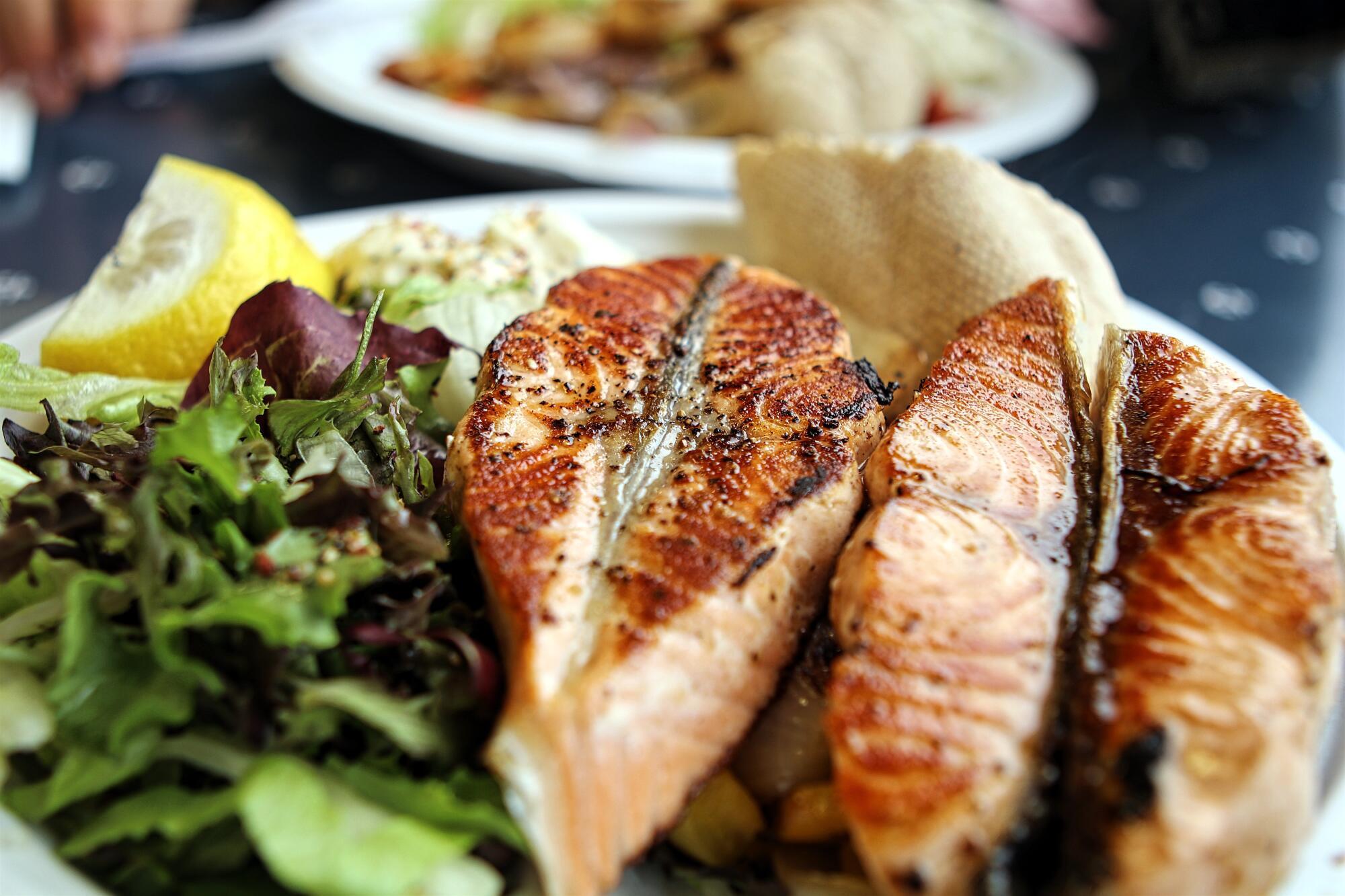
As people continue to live longer, focusing on a balanced diet containing high fiber meals like salmon veggie bowls, oatmeal with berries, chia pudding, and whole wheat pasta with turkey meatballs can ensure meals are never boring but very nutritious. Such meals support a senior's heart, brain, and gut by lowering cholesterol levels, providing a protective lining in the intestinal wall, and improving mood.
A 2022 study for The American Journal of Medicine by Prokopidis et al. found that dietary fiber helps improve cognitive function in aging adults.
Thanks to programs like Culinary Keepsakes, Chef's Academy, and daily dietitian-certified dining, Sagebrook Senior Living residents have several ways to get a fiber-packed diet in San Francisco, CA.
Why Does Fiber for Seniors Matter?
Taking the time to eat your flaxseed and vegetable skins has a positive impact on your heart, gut, and brain. Meeting your regular recommended daily fiber intake, which is 22 to 28 grams, can produce lower cholesterol levels, better hormones, and a reduced risk of stroke.
Brain
Age-related decline may be common, but it's not unpreventable. A healthy diet prioritizing fiber is essential to regulating blood sugar and cholesterol, which can affect how much blood goes to the brain. After all, if the brain doesn't get enough oxygen-infused blood, it can lead to poor cognition or something more serious, like a stroke.
Due to fiber's impact in the gut, it plays an indirect role in the production of essential neurotransmitters that can help regulate a senior's mood and cognition.
Heart
There are two types of fiber: soluble and insoluble. Soluble fiber can bind to cholesterol so that the body can easily excrete it. Otherwise, it lingers in and eventually blocks blood vessels, potentially causing cardiovascular issues such as heart disease, heart attack, or cardiac arrest.
By lowering your LDL (bad cholesterol) levels, you also help manage overall blood pressure.
Gut
Fiber in your diet helps keep your digestive enzymes going strong. These enzymes naturally decrease with age, which can affect bowel regularity. Once fiber reaches the large intestine, it ferments and creates a barrier on your bowel lining, which helps to feed a healthy microbiome.
As a result, a senior experiences better immunity along with decreased risk of depression and anxiety thanks to neurotransmitters produced by the microbiome, such as dopamine and serotonin. These hormones support better sleep, which is essential for overall cognitive support and inflammation reduction.
What Are Some Brain-Supportive Foods?
When it's time for seniors to feed their brains, they should reach for fatty fish that includes tuna, mackerel, salmon, and sardines. These fish contain Omega-3s, which promote more brain cell communication.
Kale, collards, and spinach are leafy greens that are packed with vitamin K and folate, which slow cognitive aging. Choline is found in eggs and helps support neurotransmitter function. Healthy fats, such as olive oil, also help reduce inflammation in the brain, while nuts and seeds fight oxidative stress.
For better blood flow to the brain, add berries to your yogurt, oatmeal, or throw them in some bran muffins.
What Are Good High Fiber Meals for Seniors to Enjoy?
Instead of a burrito or taco salad with a fried tortilla, try having a black bean quinoa bowl that includes avocado, black beans, and fresh tomato salsa. Take advantage of the summer time with a seasonal salad containing beets, microgreens, avocado, and maybe some peaches.
A salmon rice bowl is rounded out by brown rice instead of white rice, along with cucumbers and kimchi. Try some roasted sweet potatoes or enjoy mini bell peppers, stuffed with puréed white beans or humus.
If you enjoy soup, you can't go wrong with the classic Italian minestrone, packed with beans, carrots, celery, green beans, and a tomato broth.
Frequently Asked Questions about Healthy Aging Nutrition
What Are the 5 Pillars of Healthy Aging?
The main pillars of aging well include regular hydration, nutrition, as well as physical, cognitive, and social stimulation. Joining the right senior community can easily provide all of these pillars, as a well-structured activity calendar can provide physical and social stimulation through parties, offsite excursions, and fitness classes.
Cognitive stimulation is also met by socializing as well as brain games like trivia or puzzles. Of course, regular communal meals with friends or family make it easier to ensure that seniors receive their nutrition and hydration, even if they have declining appetites.
What Food Adds 33 Minutes to Your Life?
If you enjoy a good peanut butter and jelly sandwich, rejoice that it can add 33 minutes to your life, according to a 2021 University of Michigan study. Researchers used an index to calculate the minutes of healthy life gained or lost per serving when testing different foods, such as fruits, nuts, seafood, and processed items. Unsurprisingly, highly processed foods like hot dogs can actually subtract years.
Which Fruit Has the Most Fiber?
Passion fruit has some of the most fiber per cup at a whopping 24 to 25 grams. Additionally, you can pair it with raspberries, blackberries, and guava for an even more intensive fiber-packed fruit bowl.
Large pears, figs, and kiwis also give you a fiber-rich boost while helping your taste buds dance. Both raspberries and blackberries have about 8 g of fiber per cup. Depending on the size of your avocado, it may contain 9 to 14 g, whereas a pomegranate may have about 7 g per cup of seeds.
Good Senior Digestive Health Starts with Fiber
High fiber meals help seniors stay alert, have better digestion and energy, and fight off memory decline for years. These healthy options are endless, from chicken and roasted veggies to a hot bowl of split pea soup.
Being part of Sagebrook Senior Living in San Francisco, CA, means residents enjoy healthy and delicious assisted living diets using fresh seasonal ingredients. Balanced senior nutrition is supported by a certified dietitian who handles the menu. Additionally, the Chef's Academy helps build connections and skill-building through exhibition cooking, while Traditions to Table gives community members time to shine as they share their own recipes. Reach out to us online to learn more.