
Strength Training for Seniors: Why Seated Marching Supports Mobility
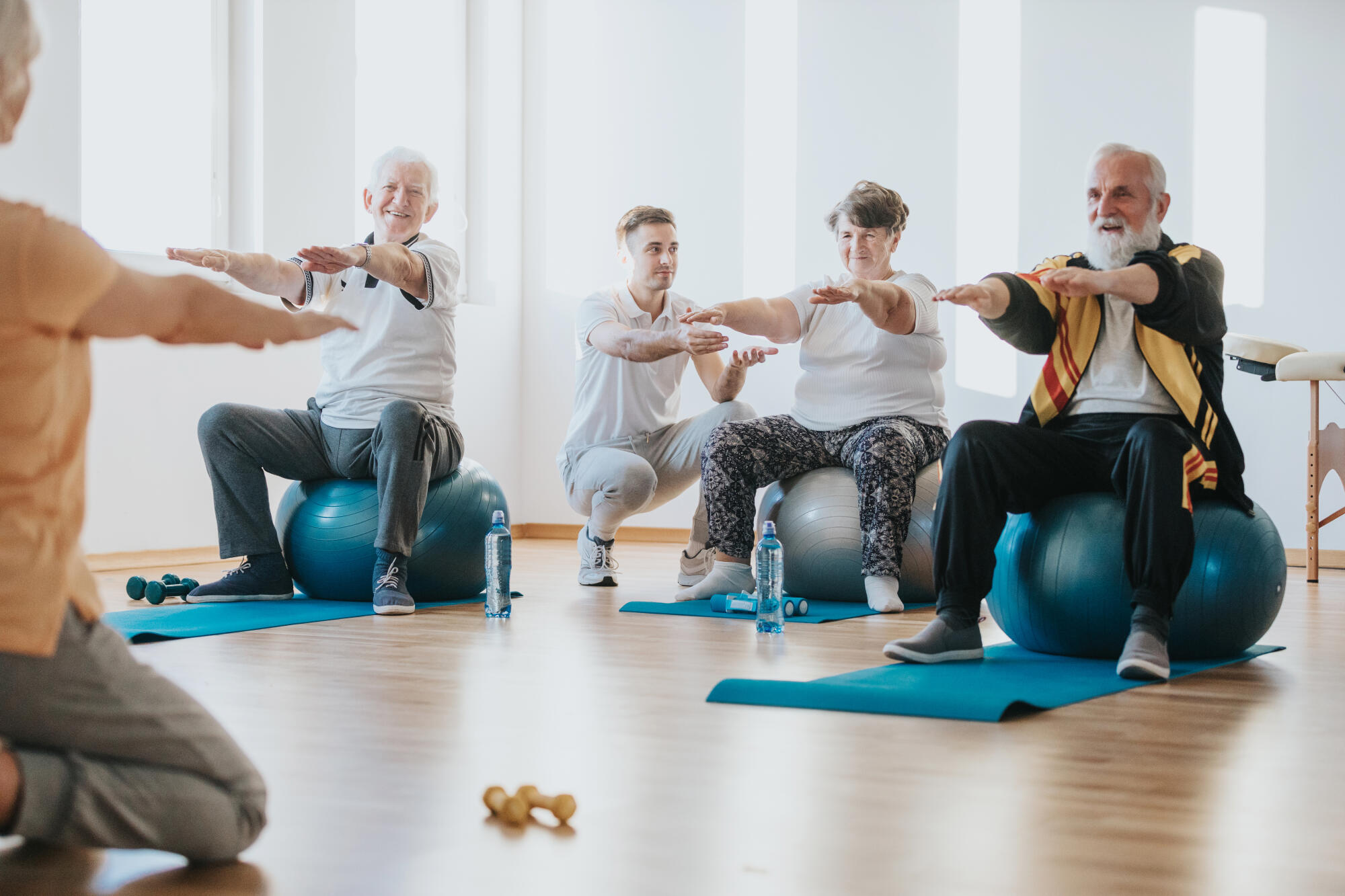
Strength training for seniors can be simple and safe, and seated marching is one of the easiest ways to stay active each day. It helps older adults move with more confidence and feel more stable during daily tasks. This gentle exercise is also easy to fit into any routine.
According to a paper by Musich et al., published in Geriatric Nursing, about 30% of older adults experience mobility limitations. Given this, low-impact strength is a helpful starting point for seniors.
At Sagebrook Senior Living at San Francisco, we support safe movement in aging through guided activities that match each person's comfort level. In this blog post, we explain how seated marching works, why it helps, and how it fits into a balanced approach to strength training for seniors in San Francisco, CA.
What Are the Benefits of Seated Marching?
Seated marching is a simple way for older adults to keep their legs active. It helps build steady strength without placing stress on the joints. This makes it a strong form of mobility support, especially for people who want to stay active at their own pace.
The movement also helps improve circulation. Small, repeated lifts can support muscle engagement and make the legs feel more stable during daily tasks. It is a joint-friendly exercise that works well for different ability levels.
Seated marching can also support posture. Keeping the upper body upright while lifting the legs strengthens the core, which plays a key role in balance. This helps seniors feel more secure when standing or walking.
Do Seated Exercises Work for Seniors?
Seated exercises are helpful for many older adults because they reduce the chance of strain. They allow people to stay active while feeling steady and supported. This makes them a practical option for anyone working through mobility changes or recovering from minor setbacks.
These movements can increase stamina. Short sessions done several times a week help the body stay engaged without feeling overwhelming, which is especially helpful for senior physical wellness, since steady activity is easier to maintain over time.
Seated exercises also support confidence. The movements are simple to learn, and progress can be seen in small improvements, such as:
- Better posture
- Smoother leg lifts
- Greater comfort with daily movement
How Sagebrook Senior Living Supports Active Aging
At Sagebrook Senior Living, we encourage safe, steady activity for every resident. Our team helps older adults stay active through simple programs that match each person's comfort level. It allows residents to build routines that feel supportive and achievable.
We also offer guided exercise sessions designed for different abilities.These include low-effort seated movements and light resistance options.
Each activity is shaped to promote safe progress and ongoing independence. This creates a calm environment where residents can explore movement without pressure.
Daily engagement is also part of our approach. With convenient spaces, helpful staff, and easy access to group classes, residents enjoy an environment designed for adaptive exercise routines that fit their needs.
Tips for Getting Started With Seated Marching
Seated marching is simple, but a few small steps can help you feel comfortable as you begin.
You should start by choosing a sturdy chair with a straight back. Sit tall with both feet flat on the floor, as this setup gives your body a stable base and helps you focus on smooth, steady movement. Try lifting one knee at a time at a slow pace, and keep each lift controlled instead of rushing.
If you are new to exercise or returning after a break, begin with short sessions. Even a minute or two is enough to warm your muscles. Add time little by little as your confidence grows.
Give yourself grace on days when your energy feels low. Gentle effort still counts. Make seated marching part of your daily routine, such as after breakfast or before an afternoon activity.
If you live with any pain or ongoing health concerns, ask a doctor before starting.A quick check-in helps you stay safe and comfortable as you build strength.
Frequently Asked Questions
How Often Should Seniors Practice Seated Marching?
Many older adults start with a few minutes per session, several times a week. The goal is to build comfort with the movement before adding time or pace.
Seated marching is flexible, so each person can work at a level that feels steady. Small, regular sessions help improve strength and mobility without placing strain on the joints.
Can Seated Marching Help After an Injury or Hospital Stay?
It can support safe reconditioning because the seated position offers stability. Many seniors use it as a bridge between rest and fuller activity.
It encourages light muscle use, supports circulation, and helps restore confidence. Always check with a healthcare provider if someone is recovering from surgery or a major injury.
Is Seated Marching Useful for Someone With Balance Issues?
Yes. Because the movement is done while seated, it allows seniors to stay active without the risk of standing balance loss.
It can help strengthen muscles that contribute to steadier walking and transfers. Families often find it helpful for loved ones who need low-risk ways to stay moving.
What Time of Day Is Best for Seated Marching?
Any time that feels comfortable is fine. Some residents prefer mornings to feel more energized.
Others enjoy short afternoon sessions as a gentle pick-me-up. The key is consistency.
Can Seated Marching Fit Into a Community Wellness Routine?
Absolutely. At Sagebrook Senior Living, it can be part of ongoing wellness activities, private sessions, or daily personal routines. It offers structure, confidence, and an accessible way to stay active.
Benefit From Strength Training for Seniors
In summary, strength training for seniors is key to maintaining mobility, independence, and overall well-being. At Sagebrook Senior Living at San Francisco, we offer low-impact, joint-friendly programs like seated marching designed to keep residents active safely.
Our expert team provides personalized guidance, structured fitness routines, and engaging group classes that support both physical and social wellness.
Living in the heart of San Francisco, residents enjoy easy access to cultural and recreational activities while thriving in a supportive, welcoming community. Schedule a tour with us and see Sagebrook Senior Living firsthand.